
Top AI Tools and Updates
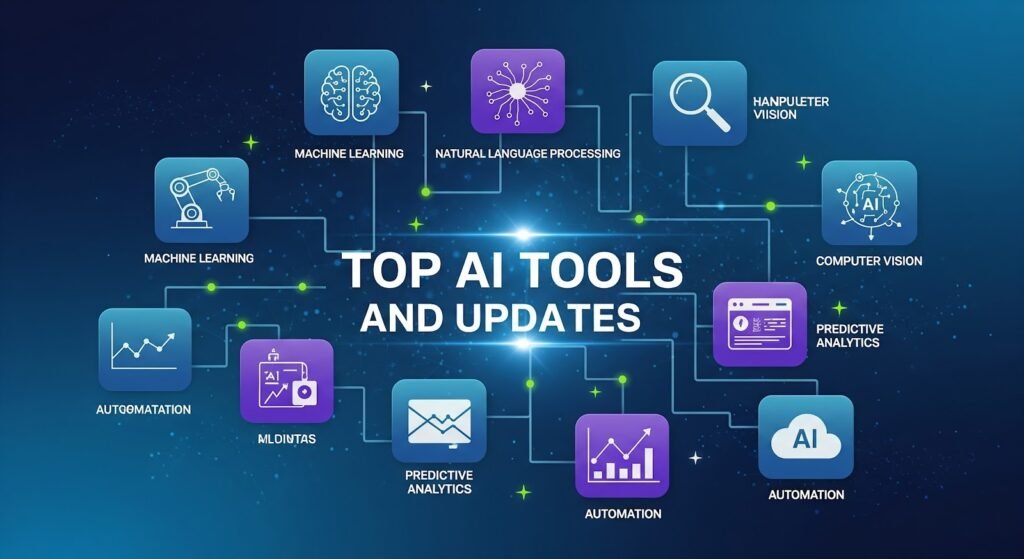
In the latest rankings, the top AI tools are divided into three main tiers.
Leading the Gold Tier is ChatGPT, running on its newest model, GPT-5.2. It’s highly rated for reliable reasoning, following complex instructions, and generating quality content and code. In fact, over 40 million people globally use ChatGPT daily for health-related queries, such as checking symptoms, translating medical terms, and preparing for doctor visits. OpenAI has recently launched a dedicated ChatGPT Health experience, which is a new private feature allowing users to import their medical records and fitness data from platforms like Apple Health and Peloton to receive personalized advice. OpenAI has committed not to use these health conversations to train its models.
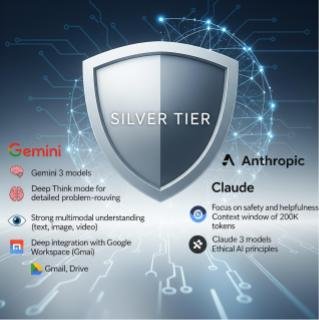
The Silver Tier is shared by Gemini and Claude. Google’s AI assistant, Gemini, uses the Gemini 3 models and offers a “Deep Think mode” for detailed, step-by-step problem-solving. Gemini is also known for strong multimodal understanding across text, images, and video, and features deep integration across Google Workspace apps like Gmail and Drive.
A major new update is Gemini 3 Pro, which has advanced capabilities for turning design ideas into functional code. For example, you can upload a screen recording of any user interface (UI) and Gemini 3 Pro can generate a complete, interactive landing page, including animations and polished layouts.
In addition, Google Labs has introduced an experimental, Gemini-powered productivity agent called CC (a proactive inbox agent). CC synthesizes your Gmail, Calendar, and Drive data to proactively email you a personalized “Your Day Ahead” summary every morning, learning your preferences through two-way email replies.
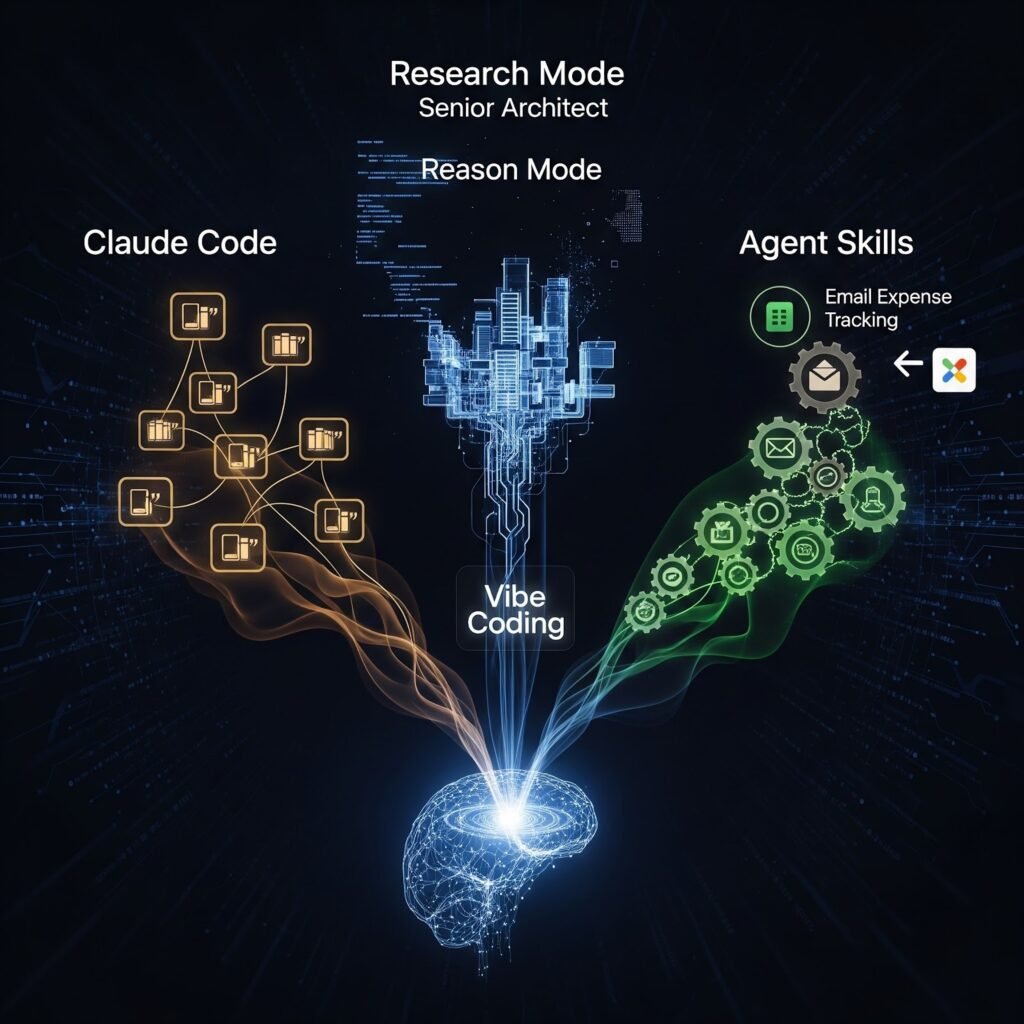
Claude, from Anthropic, is highly valued for its reasoning and coding abilities, offering a specialized tool called Claude Code. Claude Code is exciting because it can accelerate a mid-level engineer’s potential to perform like a senior architect. Claude also includes a research mode that provides cited sources and offers “Agent Skills” to package instructions as reusable capabilities. For example, Claude can be used to automate email expense tracking by having it search your inbox for subscriptions and populate a Google Sheet. Using this type of agentic coding is sometimes referred to as Vibe Coding.
The Bronze Tier includes Google’s AI research tool NotebookLM, which analyzes your source documents, provides cited answers, and can create study tools like quizzes and audio overviews. Also in this tier are Microsoft Copilot, DeepSeek, Poe, and Meta AI.
Key Industry Developments
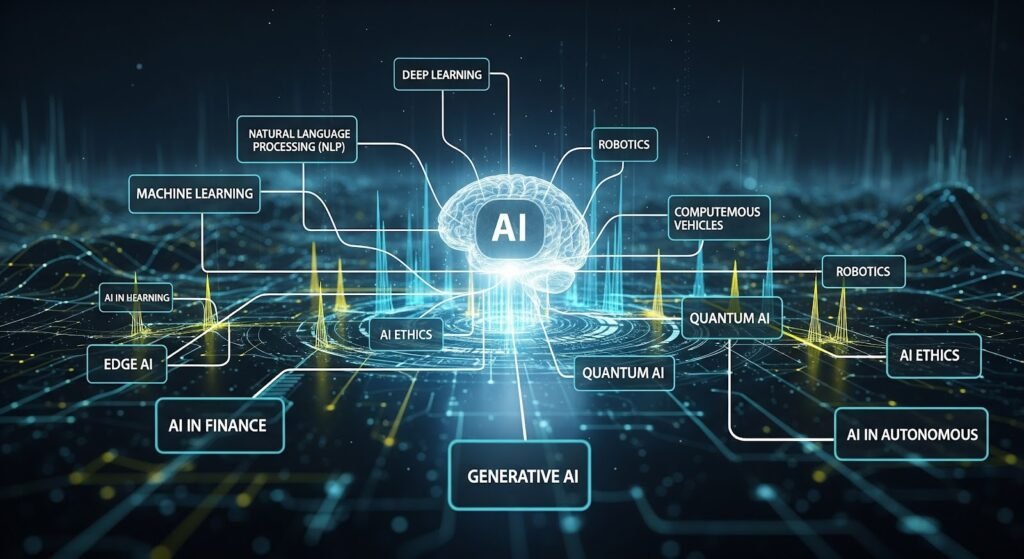
Agentic AI and Automation The trend toward AI systems that can execute complex tasks autonomously, known as agentic AI, is rapidly growing. This is reflected in the idea of delegating work to “helper agents” to manage context and protect the primary agent’s reasoning capacity. New autonomous agent tools are emerging, such as Instruct 2.5, which can execute tasks across connected applications in real-time, allowing successful runs to be saved as reusable workflows.
Meta Acquisition Meta acquired the Singapore-based agent startup Manus for over $2 billion to accelerate its agentic automation efforts. Manus achieved a record-breaking $100 million in annualized revenue in just eight months. Meta plans to integrate this technology into Meta AI and its business tools.
New Multimodal Tools Nano Banana Pro is an image generation tool that can create a full nine-image Instagram feed from a single inspirational photo to ensure a consistent visual brand aesthetic.
Video and Voice AI The open-source foundation model LTX-2 from Lightricks generates native 4K video with synchronized audio in a single pass. Chatterbox Turbo by Resemble AI is an MIT-licensed text-to-speech model that offers low latency and is the first open-source tool to include emotion control, allowing users to insert paralinguistic tags like [laugh] or [sigh] directly into a script.
Hardware and Physical AI The CES 2026 conference signaled a major shift from software to hardware and physical AI. NVIDIA launched Alpamayo, a family of open-source AI models for self-driving cars, calling it the “ChatGPT moment for physical AI,” enabling autonomous vehicles to reason through complex scenarios like a human. The White House Policy at CES 2026 included a fireside chat outlining an executive order directing federal agencies to challenge state AI laws in favor of a uniform federal framework.
Grok and xAI Elon Musk’s startup, xAI, secured a new $20 billion Series E funding round, valuing the company at $230 billion. Integrations for its model, Grok, are planned across X (Twitter), Tesla, and Optimus. Razer also unveiled Project AVA, a Grok-driven holographic AI gaming companion, at CES 2026. Grok is, however, facing international criticism over its AI editing capabilities being used for digitally undressing images, sometimes involving minors.
Other Key News China-based Zhipu AI is set to launch a $560 million Hong Kong IPO, becoming the first public foundation model company globally. Additionally, Yann LeCun, Meta’s former Chief AI Scientist, publicly criticized the direction of Meta’s GenAI leadership, maintaining that large language models are a “dead end” for achieving superintelligence. Amazon’s AI assistant, Alexa+, is moving beyond home devices and is now available on the web at Alexa.com with new integrations like Expedia and Yelp. Lenovo also announced Qira at CES 2026, a system-level AI assistant designed for “Personal Ambient Intelligence” that follows users between their PCs and Motorola phones, tracking work context across devices.
#tech #aiJourney